
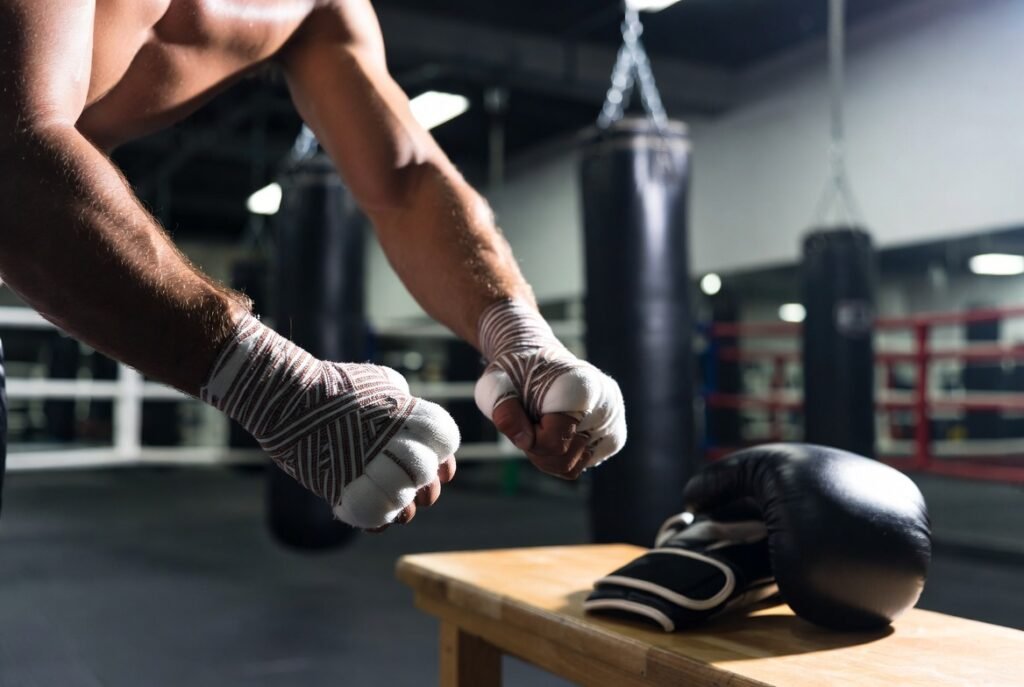
Boxing is one of the most effective combat sports for building strength, speed, endurance, and confidence. But no matter your skill level, one problem affects almost every fighter at some point:
Hand injuries.
From sore knuckles and wrist pain to sprains and fractures, boxing places tremendous stress on the small bones, tendons, and joints in your hands. Without proper technique and protection, even beginners can develop painful injuries that interrupt training and slow progress.
The good news?
Most boxing hand injuries are preventable.
Learning how to prevent hand injuries in boxing training is not just about wearing gloves. It involves:
- Proper hand wrapping
- Correct punching mechanics
- Smart training habits
- Quality boxing gear
- Recovery and conditioning
In this complete guide, you will learn:
- The most common hand injuries in boxing
- Why fighters damage their hands
- How to protect your wrists and knuckles
- The best boxing gloves for hand protection
- Hand wrap techniques for injury prevention
- Recovery strategies fighters should never ignore
Whether you are a beginner or experienced athlete, these boxing injury prevention tips can help keep your hands healthy and strong.
Why Hand Injuries Are Common in Boxing
Your hands contain:
- 27 small bones
- Multiple tendons
- Tiny joints
- Delicate ligaments
Yet in boxing, these structures absorb repeated impact against:
- Heavy bags
- Pads
- Opponents
- Training equipment
Even with gloves, the force from punches travels directly through the hands and wrists.
Without proper protection, repeated impact can lead to:
- Knuckle pain
- Wrist strain
- Finger injuries
- Tendon inflammation
- Bone fractures
This is why professional fighters take hand care extremely seriously.
Most Common Hand Injuries in Boxing
Understanding common injuries helps fighters avoid them.
Boxer’s Knuckle
One of the most common boxing injuries.
This occurs when tendons around the knuckles become damaged from repeated impact.
Symptoms Include:
- Swelling near knuckles
- Pain while punching
- Weak grip strength
- Tenderness on impact
Ignoring boxer’s knuckle can lead to long-term hand problems.
Wrist Sprains
Poor punching alignment often causes wrist injuries.
When punches land incorrectly, the wrist bends unnaturally under force.
Common Causes:
- Bad technique
- Weak wrist positioning
- Insufficient wrist support
- Thin gloves during heavy training
Metacarpal Fractures These are fractures in the hand bones.
- Punching too hard
- Poor fist formation
- Repeated heavy bag impact
They usually happen from:
This injury may require weeks or months of recovery.
Thumb Injuries
Improper thumb positioning can cause:
- Sprains
- Jamming
- Ligament damage
Thumb injuries are especially common during wild hooks or awkward punches.
Why Beginners Get Injured More Often
Beginners are more vulnerable because they often:
- Punch too hard too soon
- Use poor technique
- Skip hand wraps
- Buy low-quality gloves
- Overtrain without recovery
Many new fighters think pain is “part of boxing.”
It is not.
Proper training should build durability gradually.
The Best Ways to Prevent Hand Injuries in Boxing
Now let us focus on prevention.
Always Use Hand Wraps
Hand wraps are one of the most important tools for boxing hand injury prevention.
They help:
- Stabilize wrists
- Support knuckles
- Reduce impact stress
- Keep hand bones aligned
Skipping wraps dramatically increases injury risk.
Best Hand Wrap Length for Boxing
Most adults should use:
- 180-inch wraps
These provide enough support for:
- Wrists
- Knuckles
- Thumb stabilization
How Tight Should Hand Wraps Be?
Wraps should feel:
- Secure
- Supportive
- Comfortable
They should never:
- Cut circulation
- Cause numbness
- Feel painfully tight
Good wraps stabilize the hand without restricting movement.
Use Proper Boxing Gloves
Not all gloves protect equally.
Cheap low-quality gloves often:
- Have weak padding
- Provide poor wrist support
- Break down quickly
This increases stress on the hands.
Best Boxing Gloves for Hand Protection
Look for gloves with:
- Dense foam padding
- Strong wrist straps
- Proper fit
- Quality construction
For sparring, beginners should usually use:
- 16oz gloves
More padding means better protection.
Leather Gloves Often Last Longer
Premium leather gloves generally provide:
- Better durability
- More consistent padding
- Improved comfort over time
Well-made gloves protect the hands more effectively during long-term training.
Learn Proper Punching Technique
Technique matters more than strength.
Bad punching mechanics are one of the biggest causes of hand injuries.
Land With the Correct Knuckles
Straight punches should connect mainly with:
- Index knuckle
- Middle knuckle
This creates better structural alignment.
Keep Wrists Straight
Bent wrists absorb dangerous force.
Your wrist should stay aligned with:
- Forearm
- Knuckles
- Punch direction
Proper alignment reduces injury risk dramatically.
Do Not Over-Swing Punches
Wild punches create:
- Poor balance
- Awkward impact angles
- Increased wrist stress
Compact technique is both safer and faster.
Build Punching Power Gradually
Many beginners try to hit the heavy bag at full power immediately.
This is a major mistake.
Your:
- Bones
- Tendons
- Wrists
- Knuckles
need time to adapt.
Increase punching intensity gradually over months.
Heavy Bag Safety Tips
Heavy bag training is excellent for skill development, but it also causes many hand injuries.
Do Not Hit Too Hard Every Round
Constant maximum-power punching overloads the hands.
Instead:
- Mix power shots with technical rounds
- Focus on form first
- Train explosively with control
Use Proper Heavy Bag Gloves
Bag gloves should provide:
- Good wrist support
- Dense knuckle padding
- Secure fit
Old worn-out gloves increase injury risk significantly.
Warm Up Before Punching
Cold joints and tendons are more vulnerable to injury.
Before intense punching:
- Shadowbox lightly
- Rotate wrists
- Open and close fists
- Perform mobility drills
Even 5–10 minutes helps significantly.
Strengthening Exercises for Injury Prevention
Strong muscles stabilize the hands and wrists.
Wrist Strength Exercises
Stronger wrists improve punch stability.
Helpful Exercises:
- Wrist curls
- Reverse wrist curls
- Farmer carries
- Resistance band extensions
Grip Strength Training
Grip strength improves:
- Hand endurance
- Joint stability
- Overall durability
Effective Grip Exercises:
- Hand grippers
- Towel pull-ups
- Dead hangs
- Plate pinches
Forearm Conditioning
Strong forearms help absorb impact force.
Better forearm strength means:
- Improved wrist control
- Reduced fatigue
- Better punch alignment
Recovery Matters More Than Most Fighters Realize
Many injuries happen because fighters never allow proper recovery.
Training through pain usually makes injuries worse.
Ice Sore Hands Early
After intense sessions:
- Ice swollen areas
- Reduce inflammation quickly
This helps prevent small issues from becoming major injuries.
Rest If Pain Persists
Sharp pain is not normal.
Persistent pain may indicate:
- Tendon damage
- Sprains
- Stress injuries
Ignoring symptoms can create long-term problems.
Sleep Supports Recovery
Most tissue repair happens during sleep.
Poor recovery reduces:
- Joint healing
- Tendon recovery
- Muscle repair
Aim for consistent quality sleep.
Common Mistakes That Cause Boxing Hand Injuries
Avoiding these mistakes can dramatically improve hand safety.
Using Cheap Gloves
Poor gloves provide weak protection.
Investing in quality gear matters.
Skipping Hand Wraps
This is one of the fastest ways to damage wrists and knuckles.
Punching With Bad Technique
Technique errors increase impact stress immediately.
Overtraining
Too much heavy bag work without recovery leads to overuse injuries.
Ignoring Pain
Small pain often becomes serious injury when ignored.
Listen to warning signs early.
Can Boxing Damage Hands Permanently?
Long-term damage is possible if fighters:
- Ignore injuries
- Use poor technique
- Train recklessly
However, smart training greatly reduces risk.
Many fighters train safely for years by:
- Wrapping hands correctly
- Using quality gloves
- Recovering properly
- Maintaining good technique
How Professional Fighters Protect Their Hands
Elite fighters take hand care seriously.
Most professionals:
- Wrap hands carefully every session
- Use high-quality gloves
- Avoid unnecessary gym wars
- Prioritize recovery
- Train technique constantly
They understand that healthy hands are essential for long-term success.
Final Thoughts on Preventing Hand Injuries in Boxing
Learning how to prevent hand injuries in boxing training is essential for every fighter.
Your hands are your most important tools.
Protecting them allows you to:
- Train consistently
- Improve faster
- Punch harder safely
- Avoid unnecessary setbacks
The most effective prevention methods include:
- Wearing proper hand wraps
- Using quality boxing gloves
- Practicing good technique
- Training progressively
- Prioritizing recovery
Smart fighters do not just train hard.
They train intelligently.
Protect your hands now, and they will continue supporting your boxing journey for years to come.
Recommended Boxing Protection Gear
At Righttps://rightpunchsports.com/htPunch Sports, fighters can find high-quality:
- Boxing gloves
- MMA sparring gloves
- Hand wraps
- Headgear
- Shin guards
- Boxing shoes
- Protective training gear
Using quality boxing equipment helps improve comfort, support, durability, and overall hand protection during training sessions.