
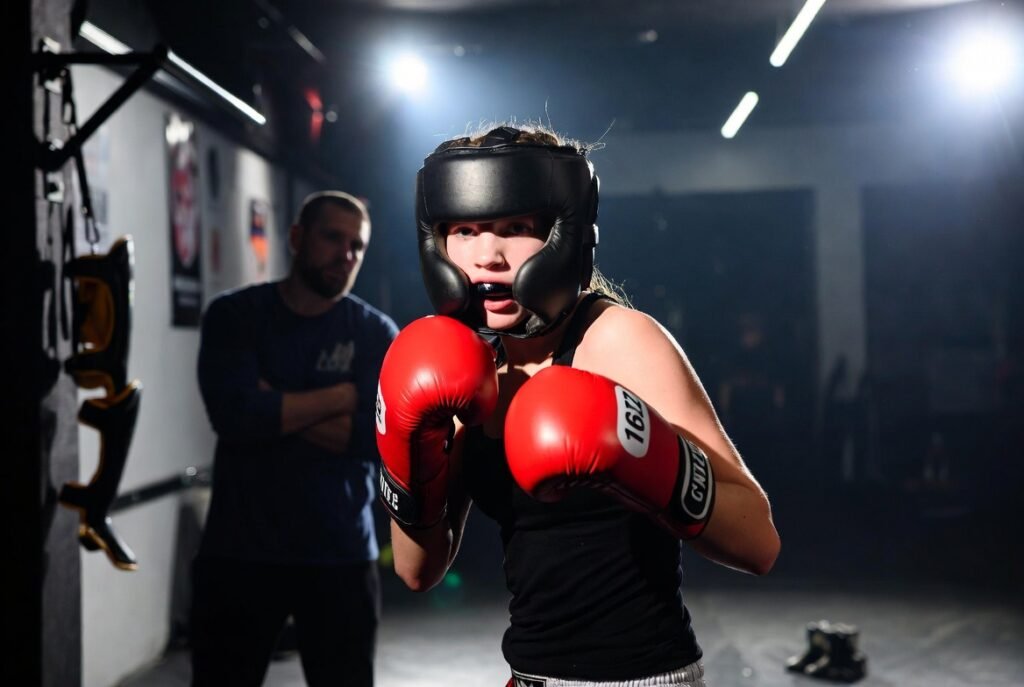
Sparring is one of the biggest milestones in boxing, MMA, Muay Thai, and kickboxing. It is where technique meets real pressure and where beginners start developing timing, distance control, and fight IQ.
But starting too early — or without the right sparring gear for beginners — can lead to injuries, poor habits, and unnecessary fear inside the gym.
In this complete guide, you will learn:
- When to start sparring in boxing and MMA
- Signs you are ready for your first sparring session
- The 7 must-have sparring gear items for beginners
- How to choose the right sparring glove size
- Important beginner sparring tips to stay safe
When Should Beginners Start Sparring?
One of the most common questions new fighters ask is: “When should I start sparring?”
The truth is that there is no exact timeline for everyone. Some athletes are ready after a few months, while others need more time to build confidence and technique.
Most coaches recommend:
- At least 3 months of consistent training
- Training 3 to 4 times per week
- Completing 30 to 40 technical sessions before light sparring
The goal is not just surviving in the ring. You should already understand basic offense, defense, and movement before taking punches from a live partner.
Why Starting Sparring Too Early Is a Mistake
Many beginners rush into sparring because they want to feel like “real fighters.” But sparring without proper fundamentals often creates bad habits like:
- Swinging wildly under pressure
- Closing eyes during punches
- Poor defensive reactions
- Panic breathing
- Loss of confidence after getting hit
Technical development should always come before hard sparring.
5 Signs You Are Ready for Your First Sparring Session
Before your coach gives you the green light, use this beginner sparring checklist.
You May Be Ready If…
1. Your Footwork Feels Natural
You can move forward, backward, pivot, and reset your stance without constantly thinking about it.
2. You Know Basic Punches
You can throw a jab, cross, hook, and uppercut with proper form and balance.
3. You Understand Basic Defense
You know how to:
- Slip punches
- Parry shots
- Keep a proper guard
- Move your head safely
4. You Can Control Your Ego
Good sparring is technical, not emotional. Beginners who try to “win” every exchange usually struggle the most.
5. Your Coach Says You Are Ready
Your coach sees your timing, composure, and awareness better than you do. If they say wait, keep training.
The Essential 7-Gear Checklist for Beginners
Having the right sparring equipment for boxing and MMA is critical for safety and performance.
1. Sparring Gloves — Your Most Important Gear
Your gloves are the foundation of safe sparring.
Boxing sparring gloves are different from bag gloves because they contain extra padding designed to protect both fighters during contact.
Why Beginners Need Sparring Gloves
Using bag gloves for sparring is dangerous because:
- They have less padding
- They hit harder
- They increase injury risk
Recommended Glove Sizes
- Under 140 lbs → 14oz gloves
- 140–180 lbs → 16oz gloves
- Over 180 lbs → 16oz or 18oz gloves
For most beginners, 16oz sparring gloves are the safest choice.
2. Headgear — Essential Protection for Beginners
Quality headgear for sparring protects your cheeks, forehead, and chin from impact.
It also reduces cuts and facial injuries during training.
Best Headgear Types
Open Face Headgear
- Better visibility
- Used by experienced fighters
Full Face Headgear
- More protection
- Ideal for beginners
Always choose headgear that fits tightly without moving around during punches.
3. Mouthguard — Small Gear, Huge Protection
A mouthguard protects:
- Teeth
- Jaw
- Lips
- Gums
It also helps reduce shock impact during punches.
Types of Mouthguards
Boil-and-Bite Mouthguards
- Affordable
- Easy for beginners
Custom Mouthguards
- Better fit
- Higher protection
- Best for regular sparring
Always keep an extra mouthguard in your gym bag.
4. Hand Wraps — Never Skip Them
Hand wraps stabilize your wrists and protect the small bones in your hands.
Even with padded gloves, unwrapped hands remain vulnerable.
Best Hand Wraps for Sparring
- Mexican-style stretch wraps
- 180-inch length
- Breathable fabric
Hand wraps should be worn during:
- Heavy bag work
- Pad sessions
- Sparring sessions
5. Groin Protector — Important for Safety
Accidental low blows happen even during light sparring.
A groin protector is essential for:
- Boxing
- MMA
- Kickboxing
- Muay Thai
Recommended Types
Hard Cup Protector
Maximum protection for intense sparring.
Compression Groin Guards
More comfortable during longer sessions.
6. Shin Guards — Required for MMA & Muay Thai
If your sparring includes kicking, MMA sparring gear must include shin guards.
They protect:
- Your shins
- Your feet
- Your training partner
Best Shin Guards for Beginners
Instep Shin Guards
Cover both shin and foot for complete protection.
Strap-On Shin Guards
Easy to adjust during training.
Pure boxing sparring does not require shin guards.
7. Boxing Shoes — When Should You Buy Them?
Many beginners start sparring in regular training shoes, and that is completely fine.
However, once you begin sparring regularly, boxing shoes improve:
- Pivot speed
- Footwork
- Balance
- Ankle support
Low-Top vs High-Top Boxing Shoes
Low-Top Shoes
- Better mobility
- Lightweight feel
High-Top Shoes
- More ankle support
- Popular with beginners
Most athletes upgrade to boxing shoes after their first month of regular sparring.
What Size Sparring Gloves Should Beginners Use?
Choosing the right glove size is extremely important for safety.
14oz vs 16oz Sparring Gloves
14oz Gloves
Best for:
- Smaller fighters
- Athletes under 140 lbs
16oz Gloves
Best for:
- Most adult beginners
- Safer sparring
- Better protection
When unsure, choose 16oz gloves.
More padding always helps beginners.
Tips for Your First Sparring Session
Your first sparring session will feel completely different from shadowboxing or pad work.
Everything moves faster under pressure.
That is normal.
How Hard Should Beginners Spar?
Your first spar should stay around:
- 30% to 40% intensity
- Technical and controlled pace
- Focused on learning, not winning
Beginner Sparring Tips
Tell Your Partner You Are New
Experienced fighters usually adjust intensity for beginners.
Focus on One Goal
For example:
- Only work your jab
- Stay relaxed
- Focus on movement
Keep Breathing
Many beginners hold their breath during exchanges.
Do Not Chase
Move, reset, and create angles instead of rushing forward.
Ask Your Coach for Feedback
Immediate corrections help you improve much faster.
Frequently Asked Questions About Sparring
Is Sparring Dangerous for Beginners?
Light technical sparring with proper supervision and equipment is generally safe.
Problems usually happen when beginners:
- Spar too hard
- Start too early
- Use improper gear
Can Beginners Spar Without Headgear?
No. Beginners should always wear headgear to reduce cuts and facial injuries.
What Is the Difference Between Bag Gloves and Sparring Gloves?
Bag gloves:
- Less padding
- Designed for heavy bags and pads
Sparring gloves:
- Extra protection
- Safer for live partner work
Never use bag gloves during sparring.
Final Thoughts — Start Smart, Spar Safe
Learning when to start sparring is just as important as learning how to punch.
Do not rush the process. Build strong fundamentals first, invest in quality sparring gear for beginners, and approach sparring as a learning experience — not a fight.
The right preparation keeps you safer, helps you improve faster, and builds confidence every time you step into the gym.
Get Complete Sparring Gear at RightPunch Sports
At RightPunch Sports, you can find:
- Boxing sparring gloves
- Headgear
- Hand wraps
- Mouthguards
- Shin guards
- Groin protectors
- Boxing shoes
Whether you are preparing for your first sparring session or upgrading your gear, RightPunch Sports has everything beginners and experienced fighters need.